

हेलो दोस्तों, स्वागत है आपका Zero To One Book Summary in Hindi में ।

Zero to One Book Summary in Hindi — Peter Thiel के Startup Secrets
Zero to One प्रसिद्ध उद्यमी Peter Thiel (PayPal co-founder) और Blake Masters द्वारा 2014 में लिखी गई एक माइलस्टोन startup book है। इसका मुख्य विचार है: असली innovation वह है जो पहले कभी exist नहीं करता था — Zero से One बनाना। Copying existing ideas को वे ‘One to n’ कहते हैं। यह किताब बताती है कि कैसे एक startup monopoly बनाकर long-term success achieve कर सकता है।
यह statement Google definition snippet के लिए optimized है, लेकिन 2026 के AI-driven tech landscape में, Zero to One का अर्थ अब सिर्फ एक वैचारिक (conceptual) idea नहीं रहा; यह एक business survival toolkit बन गया है। भारत में जहाँ VC funding, talent arbitrage, और “copy-paste” (One to n) clone-strategies बहुत common हैं, वहीं असली value और wealth वही create करेंगे जो native, proprietary, और defensible breakthroughs लाएंगे — यानी Zero to One innovations.
क्यों यह किताब आज भी critical है?
- AI Paradigm Shift: Generative AI ने problems की nature बदल दी है। जहाँ traditional processes automated हो गए हैं, वहीं नए paradigms — जैसे domain-specific LLMs, AI-native products for Bharat vernacular markets, और program synthesis — ही असली Zero से One opportunities हैं।
- Defensibility vs. Cloning: भारत में cheap cloning (copy-paste startups) short-term growth दे सकती है, पर long-term capital और talent का efficient use तभी होगा जब कोई firm monopoly-level defensibility (proprietary models, network effects, regulatory moats) बनाए।
- The Mindset Shift: Peter Thiel का central thesis founders को competition के जाल से निकालकर unique product-market fit पर concentrate करना सिखाता है।

Zero to One का मतलब क्या है?
Zero to One का मूल अर्थ simple है लेकिन इसके implications अत्यंत गहरे हैं।
- Zero to One (Vertical Progress): यह एक ऐसा product या service बनाना है जो पहले कभी मौजूद नहीं करता था—एक नई technology, एक नया market, या एक नया business model। यह progress ‘non-linear’ होती है।
- One to n (Horizontal Progress): यह मौजूदा चीज़ों को replicate करना, expand करना, और optimize करना है—इसे globalization या scaling कहा जा सकता है। यह progress ‘linear’ होती है।
भारतीय संदर्भ में Practical अंतर:
Zero to One Example: Zerodha ने traditional brokerage model को फिर से परिभाषित किया—discount broking + tech infrastructure + customer education—यह एक नई value structure थी। Zoho और Freshworks ने India से एक global SaaS platform बनाकर दिखाया—native engineering, product-first culture।
One to n Example: कई VC-backed clones—food delivery vertical copies, hyperlocal delivery clones, या marketplaces जो global playbooks को copy करते हैं बिना unique data moats के—ये केवल ‘One to n’ plays हैं।
| Metric / Dimension | Zero to One (Vertical Progress) | One to n (Horizontal Progress) |
|---|---|---|
| Core Definition | Creating something entirely new | Copying and multiplying what works |
| Nature of Growth | Technology & Breakthroughs | Globalization & Scaling |
| Indian Tech Example | Zerodha / Zoho / DeepTech AI | Ride-sharing clones / Delivery copies |
| Market Impact | Creates a new Blue Ocean Market | Fights in a crowded Red Ocean Market |
The Progress Matrix Chart
(Proprietary AI, Zerodha, Zoho)
(Hyperlocal copies, Clones)
Zero to One vs One to n — Vertical Progress vs Horizontal Progress
यह distinction 2026 में और भी sharp हो गई है क्योंकि AI, edge compute, और domain-specific data create कर रहे हैं asymmetric advantages.
क्यों horizontal progress बिना deep technology unsustainable है?
Horizontal progress का model तब काम करता है जब infrastructure standardized हो और market dynamics price/efficiency पर केंद्रित हों। पर जैसे-जैसे AI-driven automation बढ़ रहा है, केवल operational excellence से मिलने वाला advantage खत्म हो रहा है।
उदाहरण के लिए, एक delivery clone low-margin पर operate करता है। AI-optimized logistics थोड़े समय के लिए improvement दे सकती है, पर अगर competitor के पास better route-optimizing model और exclusive local data हो, तो margins quickly compress हो जाते हैं। AI era में data moats और model ownership ही long-term advantage हैं—क्योंकि localized Indian datasets (vernacular, regional payment behavior) पर fine-tuned models global models से कहीं बेहतर perform करते हैं।
Case Studies in India:
Ola vs Uber: Ola ने शुरुआत में localized adaptation (One to n) के रूप में की, पर long-term profitability struggled क्योंकि core unit economics में deep tech defensibility की कमी थी।
Zerodha: एक Zero to One-leaning उदाहरण। उन्होंने proprietary trading tech और flat-fee model के साथ structural change लाया, जिससे incumbents के लिए उन्हें replicate करना बहुत costly हो गया।
Zoho/Freshworks: इन्होंने native product engineering से global SaaS firms बनाईं। यह Zero to One mindset था: build a product that solves friction, don’t just copy a CRM.
The Startup Breakthrough Journey Sequence:
Peter Thiel क्यों कहते हैं: “Competition is for Losers”
Thiel का argument है: जब firms एक open market में fiercely compete करती हैं, तो profits zero हो जाते हैं—capital नष्ट होता है और innovation के लिए incentives खत्म हो जाते हैं।
Creative Monopoly—एक ऐसी firm जो unique value देती है और high margins रख सकती है—वही भविष्य के innovation में invest कर सकती है।
How Global Giants Hide Monopolies:
Google: Search ecosystem के माध्यम से एक monopoly बनाता है, पर उसे infrastructure और proprietary ranking systems के पीछे छुपा कर रखता है।
Amazon/Meta: वे multi-product ecosystems (Marketplace + Cloud + Ads) बनाए रखते हैं ताकि उनकी monopoly-like capital flows concealed रहें।
Many firms ➔ Thin margins
Price wars ➔ Low R&D
Result: Capital Destruction
One dominant firm ➔ High margins
Strategic R&D ➔ Moonshots
Result: Capital Creation
Monopoly Business की 4 सबसे बड़ी पहचान
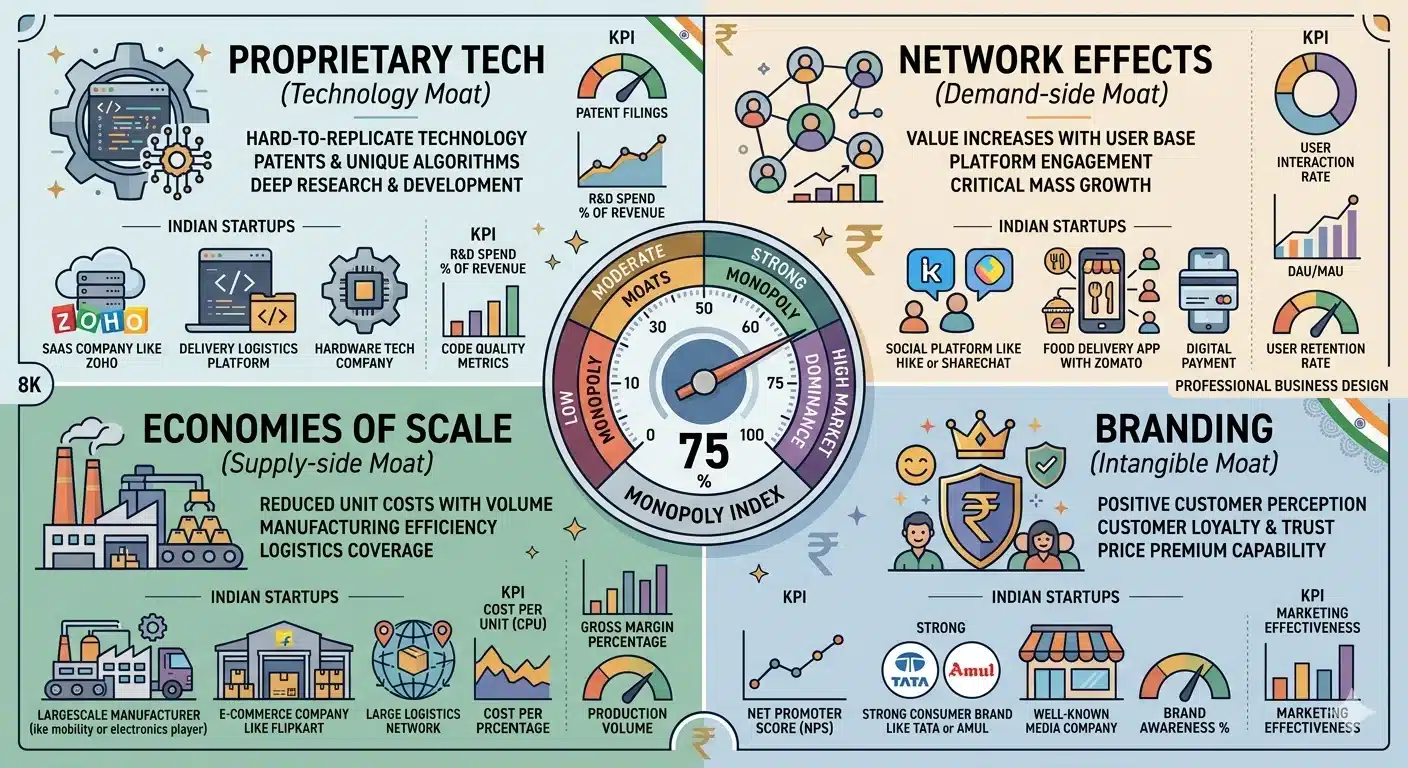
एक true Monopoly बनाने के लिए आपको इन 4 pillars को master करना होगा:
1. Proprietary Technology: आपका technical advantage ऐसा होना चाहिए जो competitors के लिए replicate करना लगभग असंभव हो। यह 10x performance uplift होना चाहिए।
2. Network Effects: Product की value तब बढ़नी चाहिए जब users बढ़ें (e.g., WhatsApp, CRED)।
3. Economies of Scale: जैसे-जैसे scale बढ़े, marginal cost लगभग zero की ओर बढ़नी चाहिए।
4. Branding: एक intangible moat जो trust और quality perception पैदा करे।
The Monopoly Reinforcement Loop
Zero to One Strategy Guide
Mastering Monopolies, Network Effects, and the Power Law in the Modern Indian AI Ecosystem
Monopoly Breakdown — Deep Dive into the 4 Pillars
Section 5 में हमने चार पहचान बताईं; अब हम हर एक pillar को खोलेंगे—technical depth, Indian evidence, tactical playbook, और measurable KPIs के साथ। एक true Monopoly बनाने के लिए आपको इन चारों का तालमेल (synergy) चाहिए।
Technical depth के हिसाब से देखें तो यह सिर्फ एक algorithm नहीं है। AI-era में यह एक Three-Layer Stack है:
- Data: Exclusive, high-quality, और labelled data जो competitors के पास नहीं है।
- Model: Unique architecture + specialized fine-tuning pipelines।
- Integration: Product APIs, low latency, और seamless infrastructure।
Indian Evidence: Vernacular LLMs जो Bharat-specific idioms और local legalese को समझते हैं, वे global models से कहीं ज़्यादा superior own unique tech की वजह से हैं।
Tactical Playbook: ऐसे exclusive data sources hunt करें जिन्हें legally या cost-effectively replicate करना मुश्किल हो।
KPIs: Relative performance uplift vs public baseline और Time-to-replicate।
Network effects के कई रूप होते हैं:
- Direct: ज़्यादा users = ज़्यादा value (Messaging/Marketplaces)।
- Indirect: Two-sided marketplaces (Buyers ↔ Sellers)।
- Data: ज़्यादा usage = बेहतर models।
Indian Playbook: Localized marketplaces बनाएं जो पहले एक specific city की liquidity capture करें। CRED का selective membership scarcity इसका एक niche form है।
KPIs: Liquidity ratio और Retention lift due to network growth।
Software में scale का मतलब है marginal cost का near-zero होना।
India-specific Tactic: Cloud credits और local data centers का use करके latency और cost कम करें।
KPIs: Contribution margin per unit और Break-even scale।
Brand एक intangible moat है जो decision friction को कम करता है।
Indian Tactical Note: Regionalized storytelling और vernacular creators का use करके deep emotional resonance पैदा करें।
KPIs: Net Promoter Score (NPS) और Category share-of-voice।
The Integrated “Monopolyness” Metric:
आप अपनी कंपनी को एक Composite Monopoly Index (0–100) पर माप सकते हैं:
Score = (Tech 30%) + (Network 30%) + (Scale 20%) + (Brand 20%)
अगर आपका score >70 है, तो आप एक durable monopoly की राह पर हैं।
The 7 Startup Questions — Matrix & Indian Adaptation
| Question | 2026 AI + India Lens | Pass Criteria (Heuristics) |
|---|---|---|
| 1. Engineering | Model + Data + Systems Integration | 2–3x domain uplift vs public baselines |
| 2. Timing | Compute costs + Regulation + Data availability | Infrastructure & policy tailwinds exist |
| 3. Monopoly | “Narrow Moat” (City-level or Niche B2B) | Competitor replication time > 12 months |
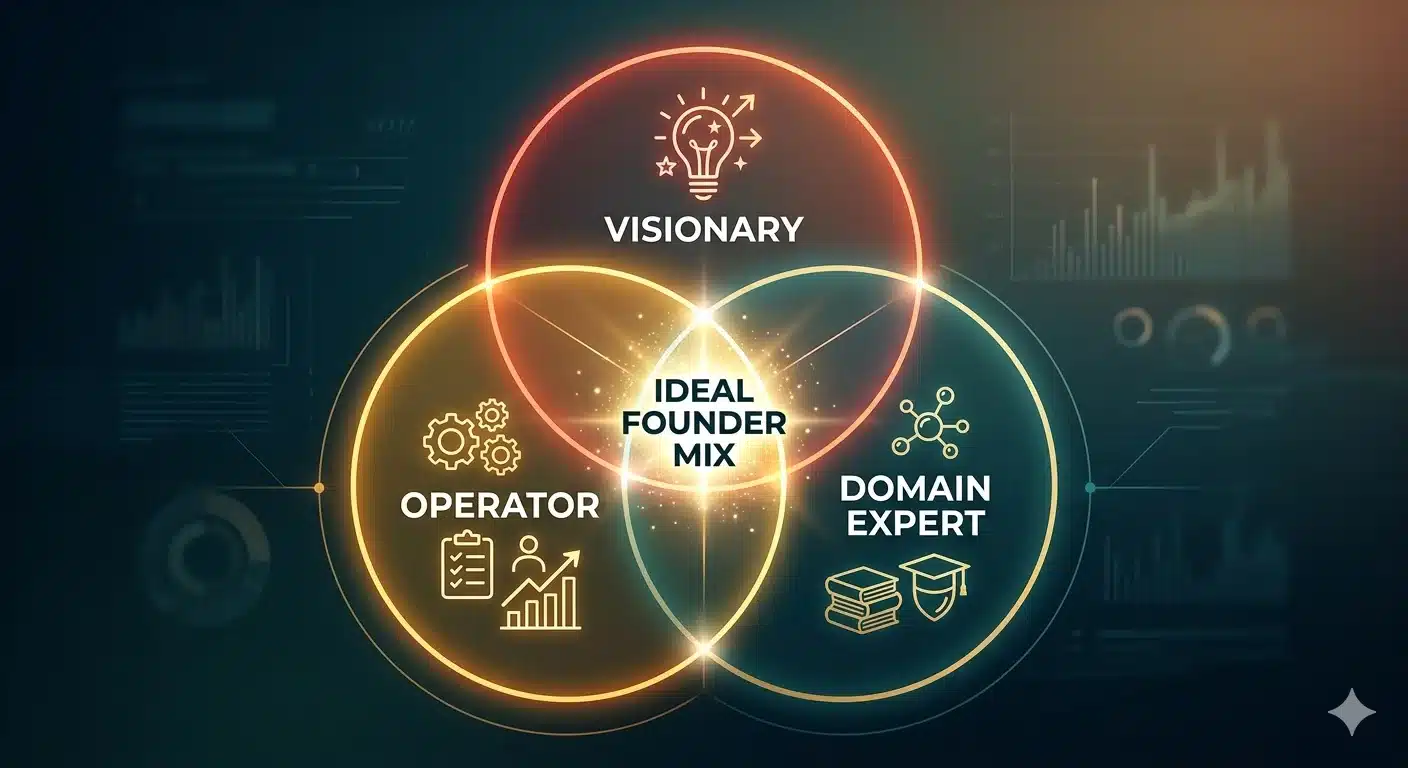
| 4. People | Complementary (Technical + Operator) | Founder-market fit + high mission alignment |
| 5. Distribution | Platform APIs + Creator-led vernacular growth | CAC < LTV within reasonable payback |
| 6. Durability | Layered moats (Data + Legal + Partnerships) | High capital/data barrier for rivals |
| 7. Secret | Non-obvious truths about Indian behavior/regulations | Validated by early, small-scale pilots |
Deep Dive: The “Secret” Question
सबसे ज़रूरी सवाल है: क्या आपने कोई ऐसा सच खोजा है जिसे बाकी लोग नहीं देख पा रहे?
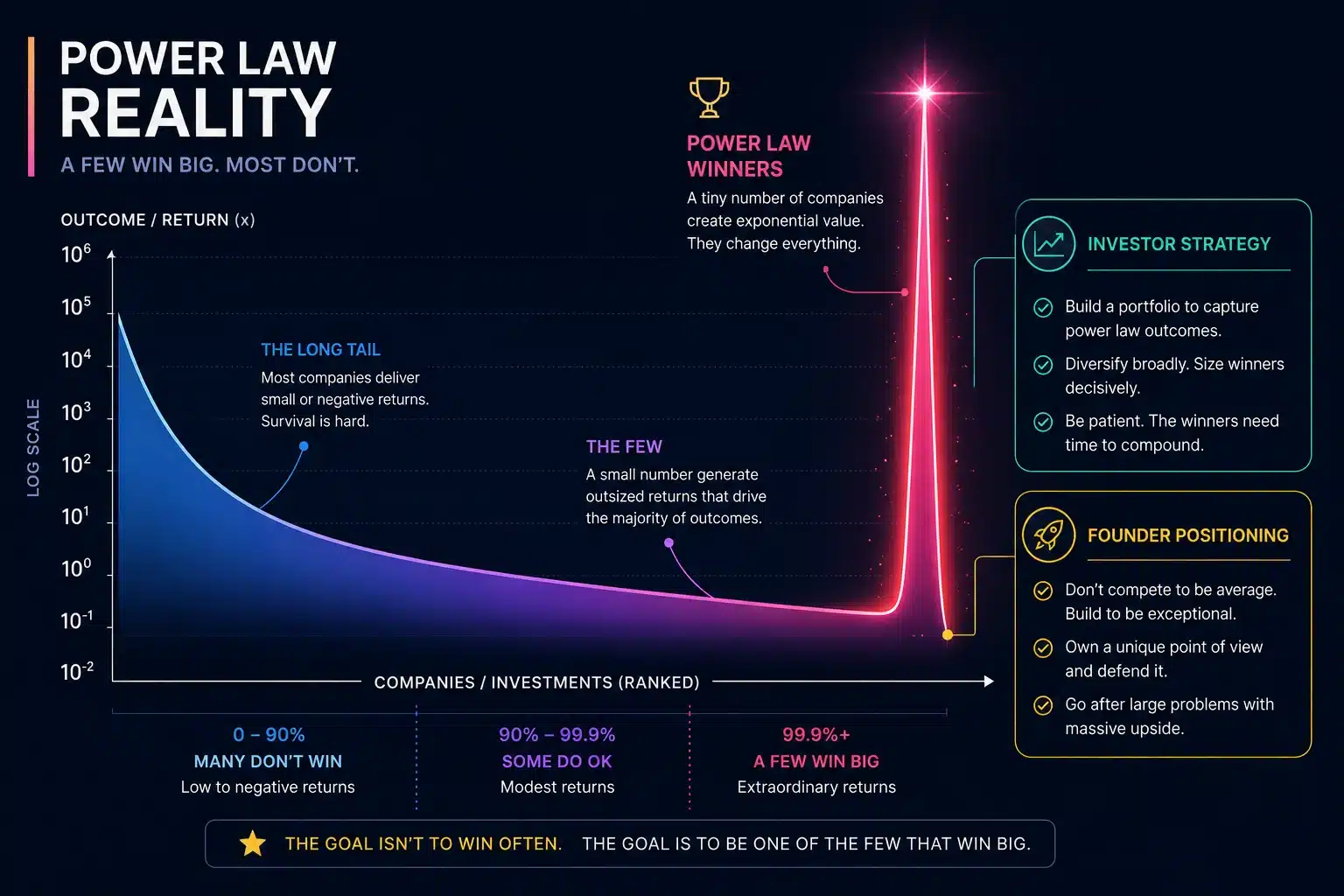
Power Law: Fundraising & Portfolio Strategy
Founders के लिए Power Law का मतलब है: “Don’t build a mediocre business.”
Founder Implications:
- Asymmetric Upside: अपने business को ऐसे design करें कि उसका upside uncapped हो।
- Fundraising Narrative: अपने pitch deck में ‘exponential scaling paths’ दिखाएँ।
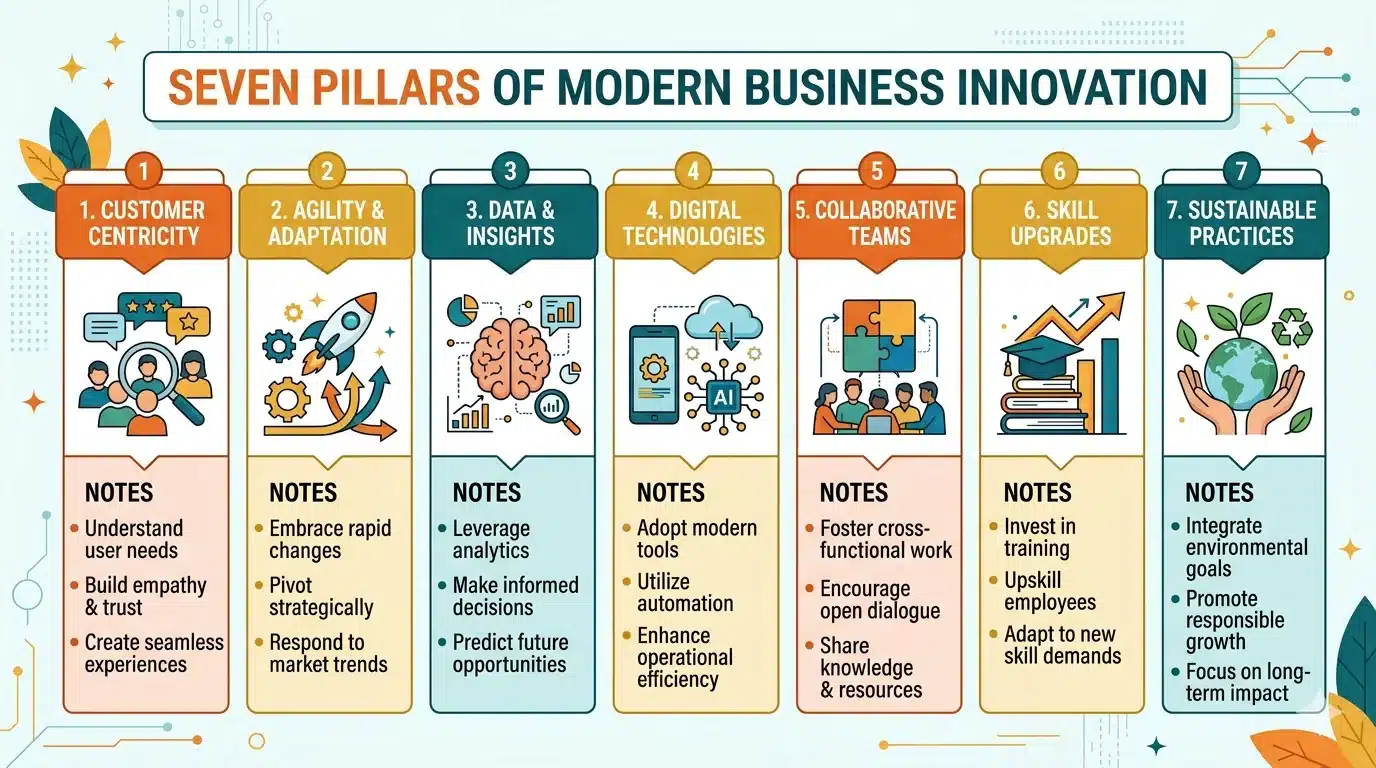
Founder’s Paradox — The Traits That Win
Thiel कहते हैं कि founders को paradoxical होना चाहिए। वे Stubborn और Flexible दोनों होने चाहिए।
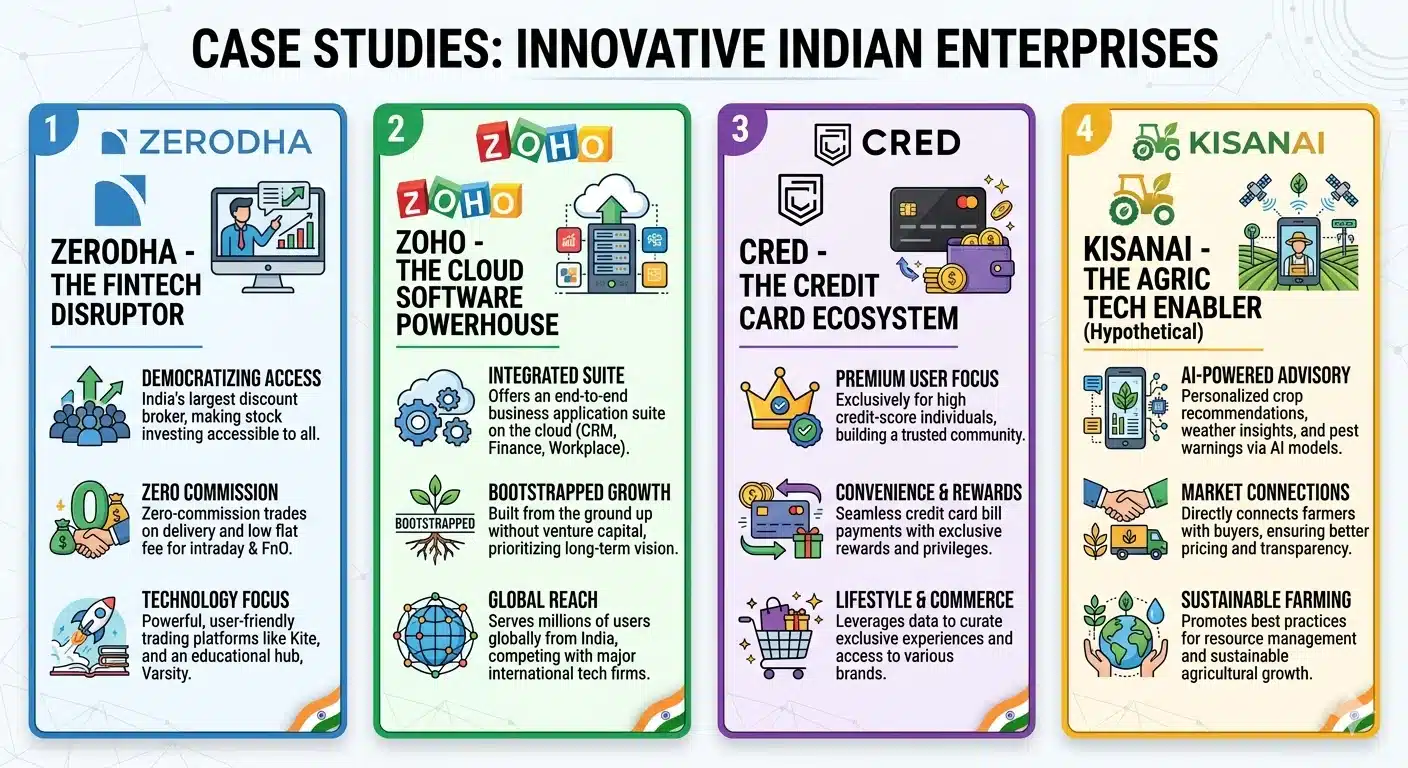
Indian Startup Analysis — Case Studies
Case A: Zerodha
Why: Reimagined cost structure + community-led growth।
Lesson: Unmet pain points को solve करें।
Case B: Zoho
Why: Verticalized engineering + product-first culture।
Lesson: Own the entire stack।
Case C: CRED
Why: Niche network effects + high-trust network।
Lesson: Niche-first focus scale करने का रास्ता है।
Case D: KisanAI
Why: Unique satellite/sensor data streams।
Lesson: Proprietary data is your moat।
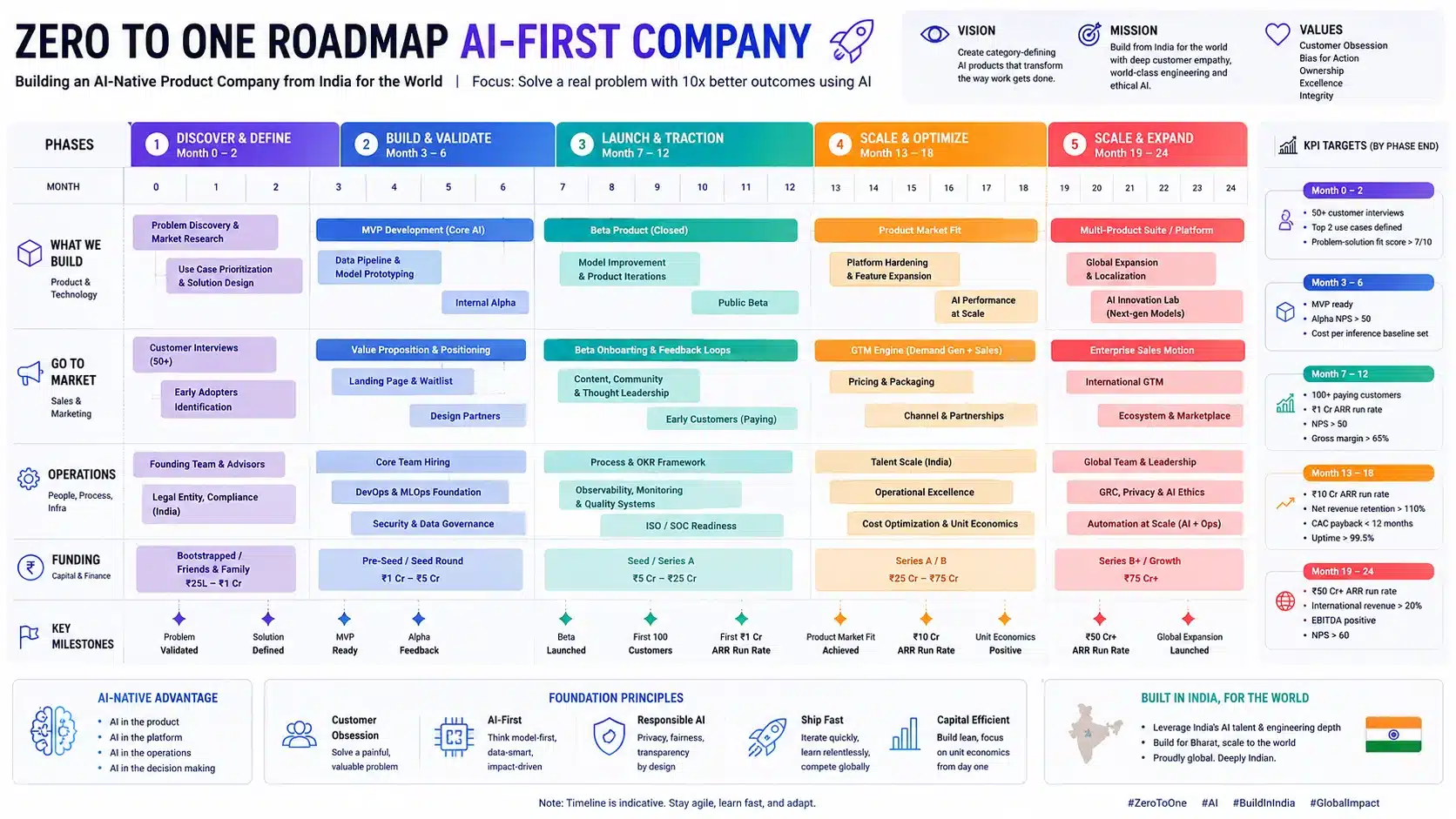
AI Era Blueprint — 18-Month Roadmap
Validate problem & interviews.
Build MVP & lock data partnerships.
Hardened APIs & monetization.
Network effects & regulatory layers.
Geographic & vertical expansion.
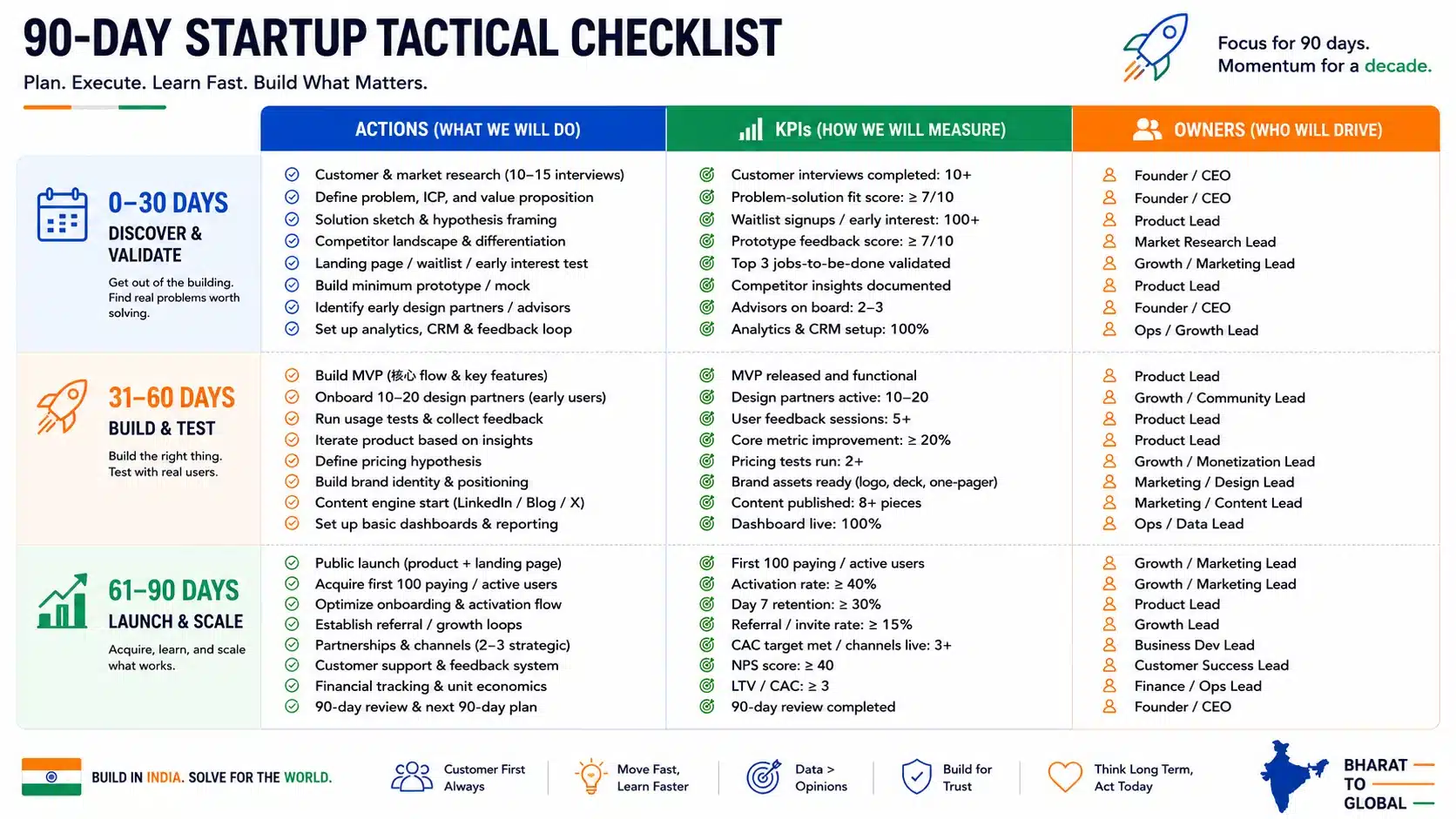
How-To Guide — Tactical Checklist
First 30 Days:
30–60 Days:
60–90 Days:
Ten Core Lessons
- Build unique value. (Action: Be 10x better).
- Aim for monopoly. (Action: Increase switching cost).
- Hunt for secrets. (Action: Ethnographic studies).
- Think long-term. (Action: 3-year roadmap).
- Hire for mission. (Action: Alignment doc).
- Distribution matters. (Action: Channel partners).
- Iterate fast. (Action: Data-driven sprints).
- Price for profit. (Action: Model unit economics).
- Use AI strategically. (Action: Define outcomes).
- Governance matters. (Action: Compliance plan).
Schemas & Mental Models
- The 10x Check: If improvement is <10%, don't prioritize.
- The Replication Time Test: If rivals can copy in <12 months, you aren't durable.
- The Secret Falsifiability Test: Can your secret be disproven by a small experiment?
FAQ — Quick Answers
Conclusion: The Future belongs to the Creators
Zero to One by Peter Thiel हमें सिखाती है कि 2026 का भारत उन लोगों का है जो “Copycat” बनने से इनकार करते हैं।
Go build something new.
FAQs (अक्सर पूछे जाने वाले प्रश्न)
Zero to One Book किसे पढ़नी चाहिए?
“Zero to One” बुक को उन लोगों के लिए अधिक उपयोगी मानी जाती है जो नए उद्यमी हैं, खुद के बिजनेस को शुरू करने की सोच रहे हैं या उन्होंने बिजनेस शुरू कर दिया है और उसे आगे बढ़ाना चाहते हैं। यह उन लोगों के लिए भी उपयोगी हो सकती है जो नए उत्पादों या सेवाओं का निर्माण करना चाहते हैं जो बाजार में पहले से मौजूद नहीं हैं। इस बुक में प्रस्तुत की गई विचारधारा उन लोगों के लिए अधिक महत्वपूर्ण है जो अपने बिजनेस के लिए नए और यूनिक दृष्टिकोण का उपयोग करना चाहते हैं।
Zero to One Book के लेखक कौन है?
पीटर थिएल
पुस्तक जीरो टू वन का सारांश क्या है?
“जीरो टू वन: नोट्स ऑन स्टार्टअप्स, ऑर हाउ टू बिल्ड द फ्यूचर” पीटर थिएल द्वारा लिखी गई एक उद्यमिता परामर्श बुक है। यह बुक ऑथर के पर्सनल एक्सपेरिएंसेस पर आधारित है, जिन्होंने कई सफल स्टार्टअप्स में निवेश किया है, जिसमें PayPal, Palantir Technologies, और SpaceX शामिल हैं।
बुक का मुख्य विषय यह है कि दुनिया में मूल्य (value) बनाने के लिए, हमें “जीरो टू वन” सोचने की आवश्यकता है। इसका मतलब है कि हमें ऐसे उत्पादों या सेवाओं का आविष्कार करना चाहिए जो पहले से मौजूद न हों।
What have you learned from the book zero to one?
The book “Zero to One” by Peter Thiel emphasizes the importance of innovation and creating a unique product or service, as well as the benefits of building a monopoly rather than competing in an existing market.
क्या यह जीरो टू वन पढ़ने लायक है?
जी हाँ, जीरो टू वन पढ़ने लायक किताब है। यह किताब उन लोगों के लिए उपयोगी हो सकती है जो उद्यमिता और नवाचार के क्षेत्र में अपना करियर बनाना चाहते हैं। इसके अलावा, व्यापार विश्लेषक और व्यावसायिक उद्यमियों के लिए भी यह किताब उपयोगी हो सकती है जो उद्योग के नए और नवाचारी तरीकों के बारे में जानना चाहते हैं।
Must Read Book Summaries
(अन्य बुक समरीज़)
- As a Man Thinketh Summary in Hindi: 7 Life-changing Insights
- (James Clear) Atomic Habits Book Summary in Hindi: The 1% Solution to a Better Life
- The Power of Your Subconscious Mind Summary in Hindi- 20 Mind-Blowing Ways to Harness the Power of Your Subconscious Mind.
- The Power of Positive Thinking Summary in Hindi-16 Powerful Ways To Transform Your Mindset
- Do It Today Summary in Hindi-सफलता के 6 राज़
- Think And Grow Rich Summary In Hindi | सोचो और अमीर बनो
- Ikigai Book Summary in Hindi- Ikigai ढूंढने के 4 secret तरीके
- The Richest Man In Babylon Summary In Hindi- 7 Secrets to Become Rich
- The Secret Book Summary in Hindi- 3 अदभुत रहस्य मनचाही चीज़ पाने के
- The 7 Habits Of Highly Effective People Book Summary in Hindi (Complete)
- The Psychology of Money Summary in Hindi (Morgan Housel): 10 Key Money-Making Principles
- The CEO Factory Book Summary: A Comprehensive Guide to Business Success
- The Intelligent Investor Book Summary in Hindi: The Definitive Guide to Value Investing in 2023
- The Millionaire Fastlane Book Summary In Hindi: The Ultimate 10-Step Blueprint
- Chanakya Neeti Book Summary in Hindi-7 Secrets to Success
- The Alchemist Book Summary in Hindi: 7 Powerful Insights
- Attitude Is Everything Book Summary In Hindi: 5 Life-Changing Principles
- (Vatsyasyana)Kamasutra Book Summary in Hindi: 10 Secrets to a Great Sex Life
- (Peter Theil)Zero To One Book Summary in Hindi- 10 Lessons on the Power of Innovation to Create Wealth
- Sapiens Book Summary in Hindi- मानव जाति का संक्षिप्त इतिहास
- (Daniel Kahneman)Thinking Fast and Slow Summary in Hindi- 5 Powerful Insights.
- The Courage To Be Disliked Summary In Hindi- 5 Key Takeaways
- The Compound Effect Summary in Hindi: How to Achieve Your Goals with 1% Daily Progress
- The Almanack of Naval Ravikant Summary in Hindi: 4 Ways to Empower Your Life
- The Power of Now Summary in Hindi: 10 दिनों में तनाव कैसे दूर करें
- The Subtle Art of Not Giving a F*ck Summary in Hindi: 10 Powerful Lessons
- The 5 AM Club Summary in Hindi: 10 Powerful Habits for Success
- The Total Money Makeover Summary in Hindi: The 7 Baby Steps to Financial Freedom
- The Muqaddimah Summary: The 14th-Century Book By Ibn Khaldun That Changed the Way We Think About History
- The Wealth of Nations Summary: 10 Powerful Insights That Will Revolutionize Your Understanding of Economics
- The Communist Manifesto Summary: 5 Key Ideas That Shook the World
- A History of the Sikhs by Khushwant Singh: 10 Things You Need to Know about Sikhism
- Men Are From Mars Women Are From Venus Summary in Hindi: The 4 Key Differences Between Men and Women
Master the Founder’s Mindset
If you enjoyed this deep dive, you’ll love these strategic breakdowns: